what the hell is larping
March 2, 2026
•
7 min read
The internet has given us many gifts: cat videos, instant communication, and the ability for a 15-year-old with a cracked version of Photoshop to confidently explain macroeconomics to actual economists.
Somewhere in that chaos, a term escaped from the world of nerds-with-foam-swords and invaded the timeline: larping.
No, we’re not talking about running around a field dressed as an elf (respect if you do, though). We’re talking about the internet version: pretending to be something you’re not, usually loudly, with enough confidence to try and pull it off, and with the vibe being far stronger than the evidence.
So... what the hell is “larping” online?
In internet slang, larping is when someone is role-playing a persona or identity they clearly don’t actually have.
They’re not just wrong. They’re performing.

Some classic flavours:
- “Ex–special forces, government contractor, black ops, can’t talk about it (but will, in a 37-tweet thread).”
- “Self-made millionaire entrepreneur” with a course, a rented Lambo, and a negative bank balance.
- “Tech insider” who “can’t reveal sources” but somehow repeats whatever was on Hacker News yesterday.
- “Doctor” whose medical degree seems to have been issued by a YouTube comments section.
Larping vs. just being wrong
Being wrong is normal. You misremember a stat, you misunderstand a concept, you say “blockchain” when you meant “database”.
Larping is different. Larping is:
- Confidence without receipts – So you might make a big claims, nothing to back them.
- Cosplay of authority – Using the language and aesthetic of experts, minus having the actual expertise.
- Commitment to the bit – Often doubling down when challenged, usually with “trust me bro” or another claim.

If you post “I think this is how taxes work, but not sure,” that’s just a guy online.
If you post “As a tax lawyer, I can tell you definitively…” and your day job is TikTok scrolling and Fortnite, likely a larp.
A quick field guide to common larps
Because taxonomy is important.
1. The “Special Forces” Guy
Bio: No profile pic, American flag, “can’t talk about it, NDA,”
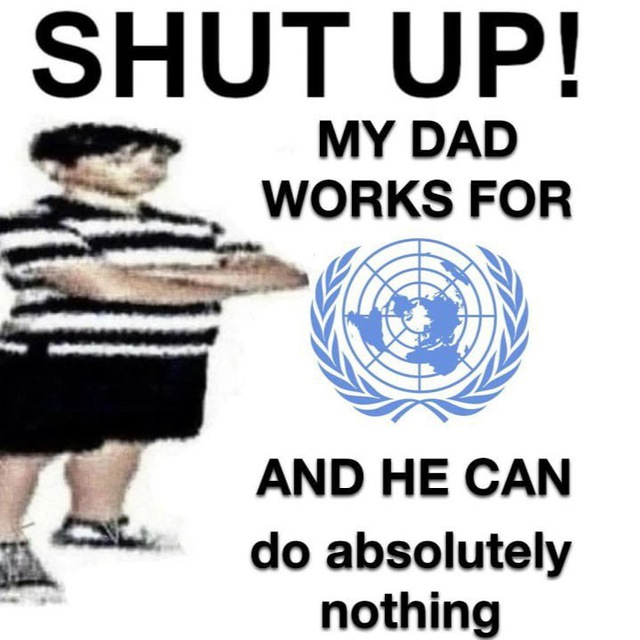
Claims:
- “In my unit we used to…”
- “Can’t say too much, but my training was… intense.”
Reality: Once did Airsoft in a park and got winded.
2. The “Serial Founder”
Bio: “Built 7 startups, 3 exits, 1 unicorn, DMs open.”

Evidence:
- Canva logo
- Gumroad link
- Badly cropped screenshot of Stripe balance (£23.17).
Main move: Calling everything “execution” while living off parental execution of Direct Debits.
3. The “Insider”
Bio: “I know people in the industry.” No one can verify this, naturally.
Style:
- “Hearing some wild things about OpenAI right now, can’t say more.”
- Continues to say more in a very long thread.
Information source: The same blog post you read, but 15 minutes earlier.
4. The “Crypto OG”
Bio: “In crypto since 2011” (was 9 in 2011).

Evidence:
- One MetaMask screenshot.
- A graph.
- “We’re still early.”
Career: Buy high, screenshot portfolio, disappear.
How to spot a larper before you reply like a fool
Because nothing hurts like quote-tweeting someone with “This is so insightful” and realising later they’re basically improv theatre.
Signs you’re dealing with a larper:
-
No history, big claims
Brand-new account, already a “veteran” of three industries and two wars. -
All a vibe, but no details
“I’ve been in this space for 20 years” and can’t answer basic questions without deflecting into motivational quotes. -
Copy-pasted opinions
Their “insider take” is just whatever’s in the top comment of a Reddit thread, three hours late. -
Dramatic self-mythology
Talks about their life in “arcs”, “eras”, “red pill moments”. Nobody normal speaks like a Netflix documentary trailer.
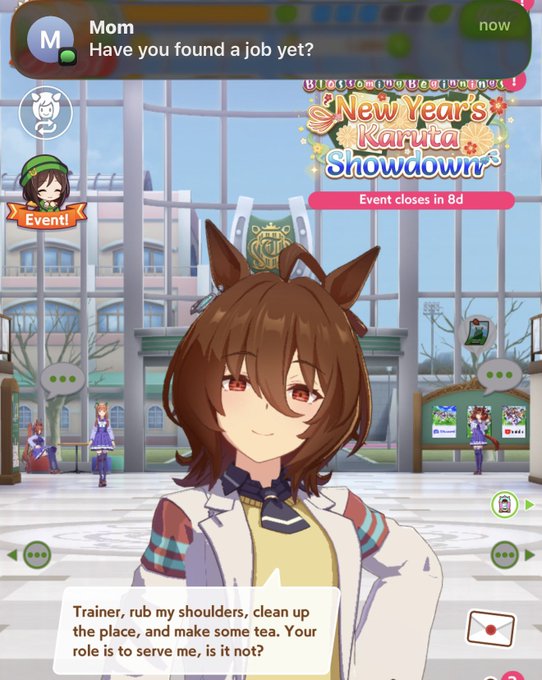
Are we all kind of larping though?
A little bit, yeah.
Online, everyone turns themselves into a character:
- You choose your avatar.
- You choose your bio.
- You choose what slice of your life to show.
That’s normal, it’s just being a person on the internet.
Larping is when the character stops being “a version of you” and turns into “you, but invented by a marketing intern.”
If your bio says “trying to figure stuff out, occasionally wrong” – you’re probably fine.
If your bio says “Building the future. Ex-Google, ex-Navy SEAL, ex-wizard” – alarm bells.
When larping actually becomes harmful
Most larping is just mildly cringe, maybe a bit annoying, and good for screenshots in group chats.
It becomes a problem when:
- People fake credentials (doctor, therapist, lawyer) and give advice that could actually hurt someone.
- People sell courses/coaching/consulting based on a persona, not real experience.
- People use fake authority to harass, radicalise, or manipulate others.
At that point, it’s not just “w larp,” it’s “hey, this is a scam with a costume on.”
How to not be a larper (low bar, but still)
If you don’t want to be That Guy:
- Say “I don’t know” sometimes. It’s free, and it makes you look less like a cartoon.
- Talk about what you’ve actually done, not what your hypothetical future self will do in your TED talk.
- Be specific: “I’ve shipped two small SaaS apps” is more believable than “I build startups.”
- Let other people call you an expert, don’t put it in your own bio like a LinkedIn spell.
My final thoughts: Larp responsibly

The internet is always going to be full of people pretending to be more important, more successful, more connected, and more informed than they really are.
You don’t have to fight them all. Just:
- Laugh a bit.
- Verify occasionally.
- And maybe resist the urge to call yourself a “thought leader” until at least one person has voluntarily listened to your thoughts.
Until then, we’re all just people online, trying not to accidentally role-play as someone we wish we were.
And if you’ve read this whole thing (what the hell are you doing) and thought “Wow, this reminds me of that one guy on my timeline” check carefully it’s not you.